![Robert Heinecken: "Periodical #8, 1971," Limited Edition Artist's Book (Mademoiselle, December 1971, Edition #2 of 6) [SIGNED]](https://vincentborrelli.cdn.bibliopolis.com/pictures/114121.jpg?auto=webp&v=1750526775)
![Robert Heinecken: "Periodical #8, 1971," Limited Edition Artist's Book (Mademoiselle, December 1971, Edition #2 of 6) [SIGNED]](https://vincentborrelli.cdn.bibliopolis.com/pictures/114121_2.jpg?auto=webp&v=1750526775)
![Robert Heinecken: "Periodical #8, 1971," Limited Edition Artist's Book (Mademoiselle, December 1971, Edition #2 of 6) [SIGNED]](https://vincentborrelli.cdn.bibliopolis.com/pictures/114121_3.jpg?auto=webp&v=1750526775)
![Robert Heinecken: "Periodical #8, 1971," Limited Edition Artist's Book (Mademoiselle, December 1971, Edition #2 of 6) [SIGNED]](https://vincentborrelli.cdn.bibliopolis.com/pictures/114121_4.jpg?auto=webp&v=1750526775)
![Robert Heinecken: "Periodical #8, 1971," Limited Edition Artist's Book (Mademoiselle, December 1971, Edition #2 of 6) [SIGNED]](https://vincentborrelli.cdn.bibliopolis.com/pictures/114121_5.jpg?auto=webp&v=1750526775)
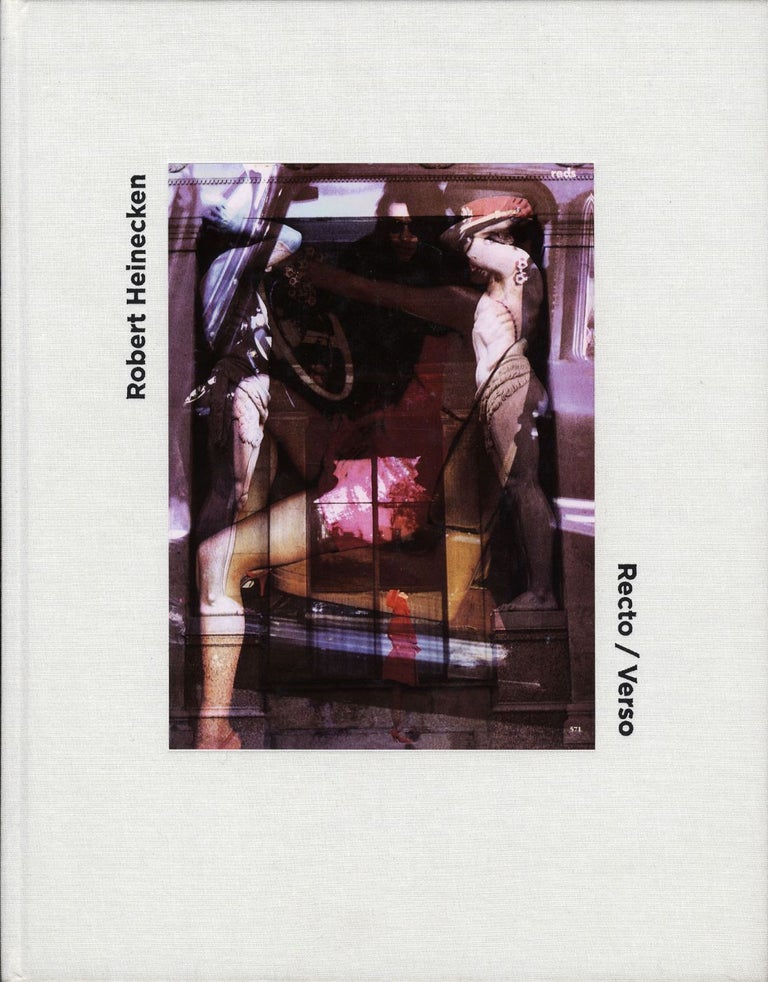
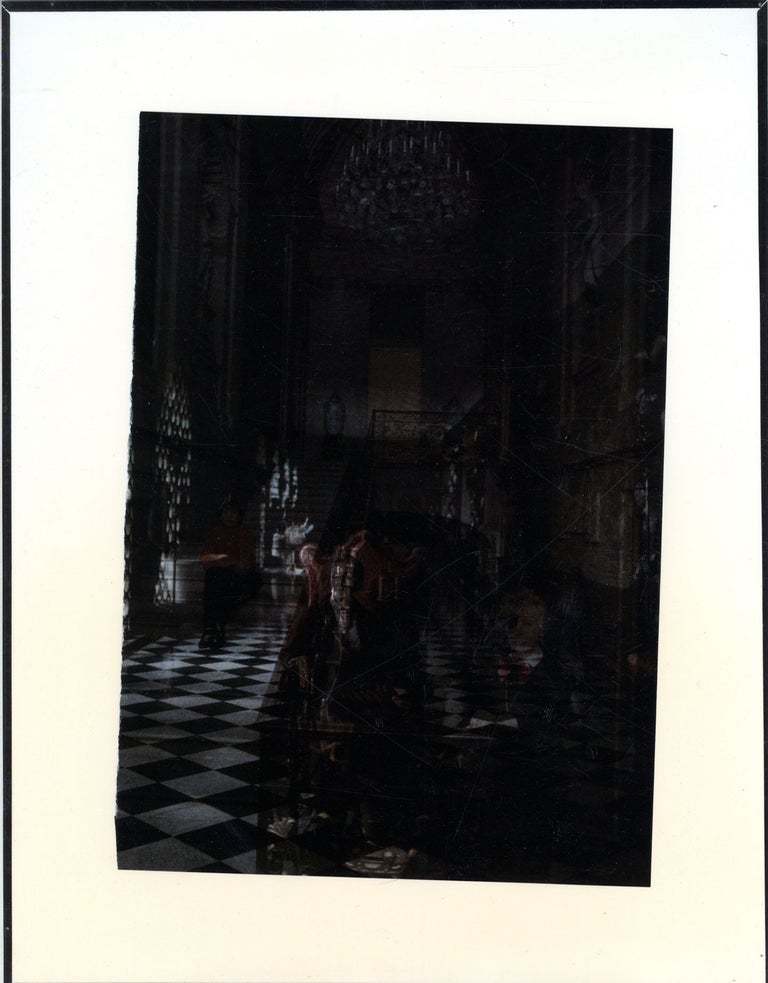
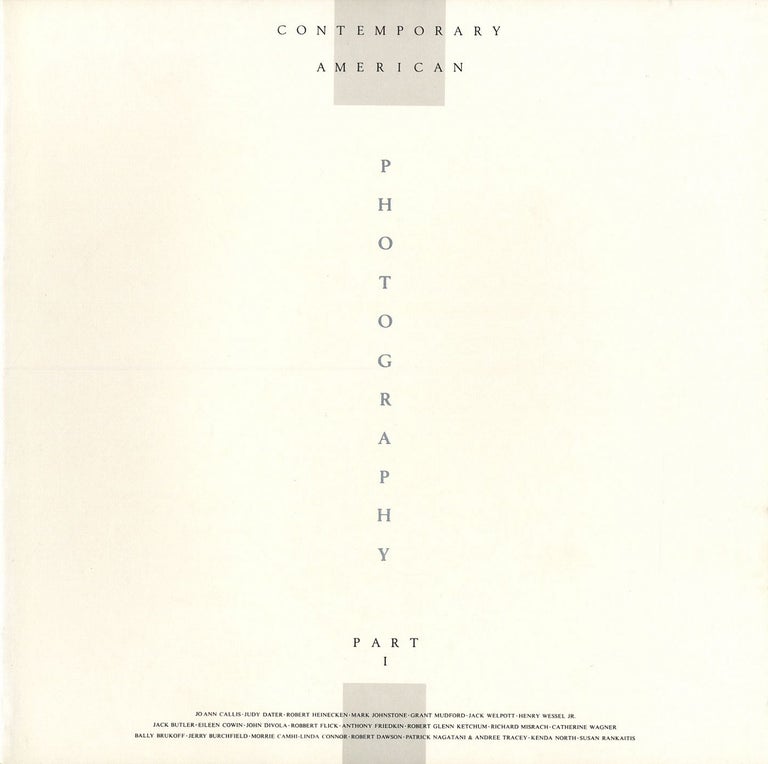
Robert Heinecken: "Periodical #8, 1971," Limited Edition Artist's Book (Mademoiselle, December 1971, Edition #2 of 6) [SIGNED]
Publisher: Los Angeles: Robert Heinecken, 1972
Edition: 1st Edition
Binding: Soft cover
Condition: Fine / No dust jacket as issued
Item #: 114121
Please inquire
Specifics
PLEASE INQUIRE: price and scans available upon request.
First and only limited edition of six unique artist's book 'Periodicals' (this being #2/6; 'Periodical #8'). Re-collated, re-bound and 'repurposed' found magazine with offset lithography (printed over original magazine pages). Signed, dated ("4-72") and numbered by Heinecken. 12-1/4 x 9 inches. Extremely rare.
Condition
Fine. Near Mint.
Description
About Robert Heinecken:
Robert Heinecken is one of the most innovative and influential post-war American artists. Influenced by Dada and Surrealism, especially Marcel Duchamp, Man Ray and John Heartfield, A self described “para-photographer,” always challenging traditional notions of the “medium” of photography, Heinecken often combined lithography, etching, photographic emulsion on sculptural objects such as puzzle-works, and photograms. His source materials included images taken directly from television screens, popular “lifestyle” magazines, advertising, pornography and news photographs, to transform notions of consumerism, war, eroticism and mass media. He was a seminal influence on postmodern photographic practices of the 1980s, more than a decade before it was embraced by the contemporary commercial art world.
From Robert Heinecken (in the mid-1960s): "We constantly tend to misuse or misunderstand the term reality in reference to photographs. The photograph itself is the only thing that is real, that exists... (There is a vast difference between taking a picture and making a photograph.)."
An excerpt from a text written by Carl Chiarenza (in 1976): "He uses existing photographs... and their reproductions because they have littered the world and our minds with unlimited examples of every conceivable image of truth, beauty, banality, eroticism, brutality, pornography, consumerism, political idea, personality, idol, and ideal. Indeed one is hard put to name anything that has not been replaced by a photographically derived image. His recycling of these images makes this astounding point before making any other. Heinecken knows the photograph is not real. He also knows that most of us still believe it is... The camera eye is lusty and insatiable, a perfect match for Heinecken's eye."